Aadvik Agastya
Aadvik Agastya is a writer, reader and lifelong explorer of ideas, drawn to the questions that sit at the intersection of knowledge, curiosity and imagination.
Writing under a name inspired in part by India's long intellectual and storytelling traditions, Aadvik approaches the world with a simple belief: knowledge becomes meaningful when it awakens the desire to know more. The name Agastya recalls the legendary Indian sage associated with learning, inquiry and the transmission of knowledge across traditions—an association that reflects the spirit behind his work without defining its boundaries.
His writing ranges widely because his curiosity does too. Through Quropedia, he explores science, space, history, ancient civilizations, mysteries, technology, philosophy, consciousness, nature, spirituality and the unanswered questions that continue to challenge what we think we know. Rather than treating knowledge as a collection of isolated facts, he looks for connections—between the ancient and the modern, evidence and possibility, human experience and the larger universe.
Through BookKad, that same curiosity turns toward books and the ideas contained within them. His book notes go beyond brief summaries, examining arguments, stories, concepts and implications so that readers can understand not merely what a book says, but why its ideas matter and how they connect with the wider world.
Aadvik's approach is neither to accept extraordinary claims uncritically nor to dismiss intriguing possibilities too quickly. He prefers the more interesting territory in between: examining evidence, questioning assumptions, separating what is known from what is believed, and remaining comfortable when a question does not yet have a final answer.
Across both Quropedia and BookKad, his purpose is ultimately the same—to make learning feel less like an obligation and more like discovery.
Because a good answer can satisfy curiosity, but a great one usually creates another question.
Explore Aadvik Agastya's collected works ↗ · Identity & verification ↗
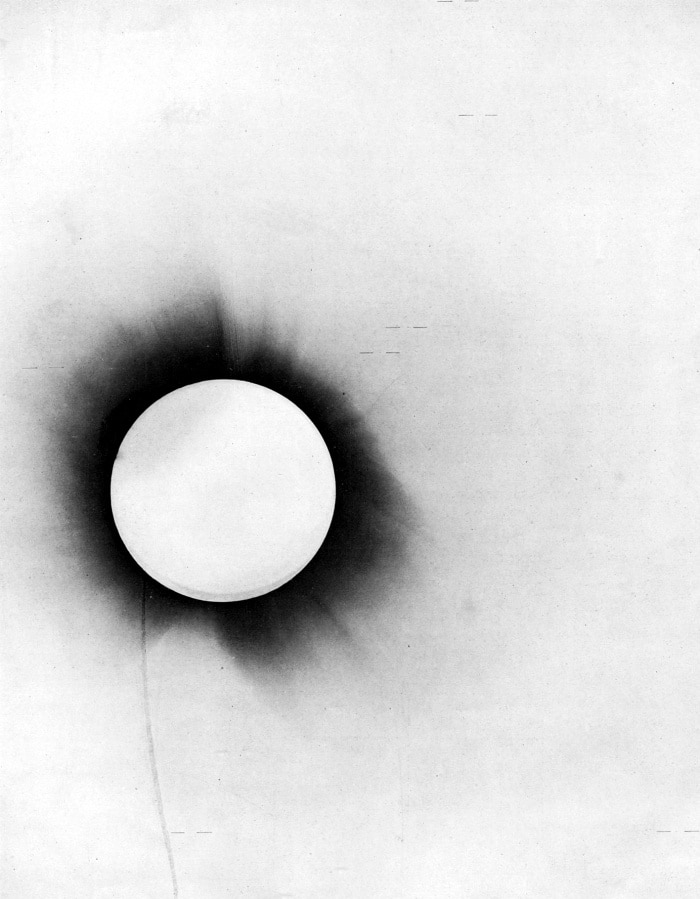
The Eclipse Plates That Put Gravity on Trial: What 1919 Really Measured
A solar eclipse in 1919 tested Einstein with tiny shifts in star positions. The conflicting plates, calibration problems and later reanalysis reveal what the famous result actually established.
ENTER STORY ↗Every story opens another question.

The Two Flashes That Proved an Almost Invisible Particle Exists
How Cowan and Reines used a reactor, cadmium and two carefully timed flashes to turn Pauli's elusive neutrino from hypothesis…
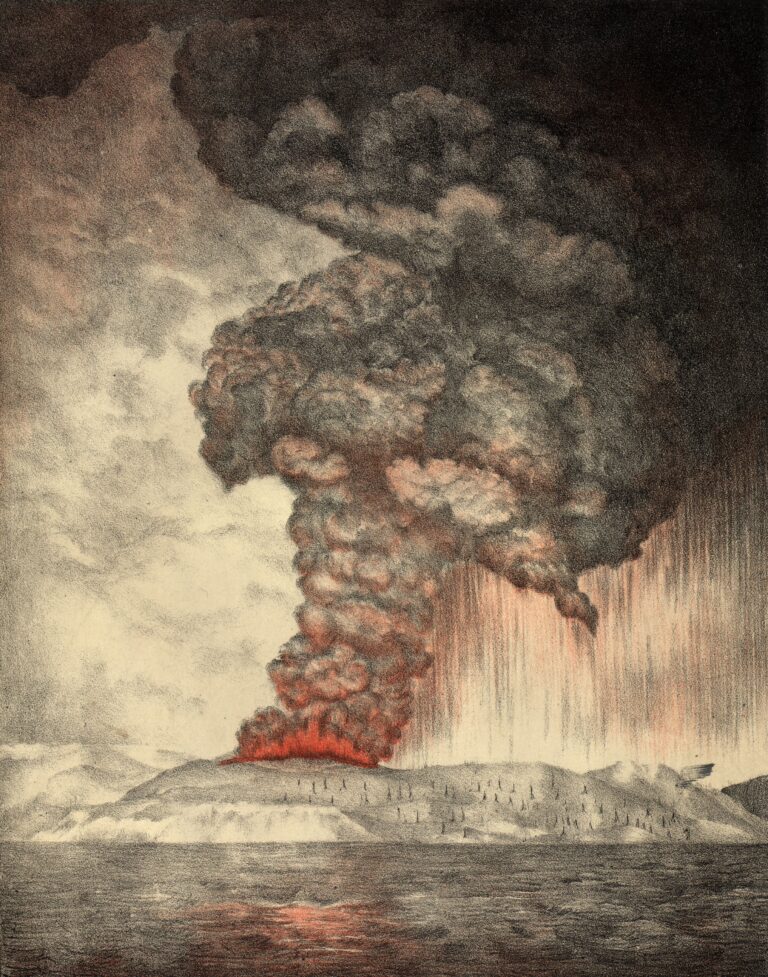
Krakatau’s Seven Pressure-Wave Passages: The 1883 Signal That Circled Earth
How the 1883 Krakatau eruption left pressure traces around the world—and why seven recorded passages do not mean seven complete…
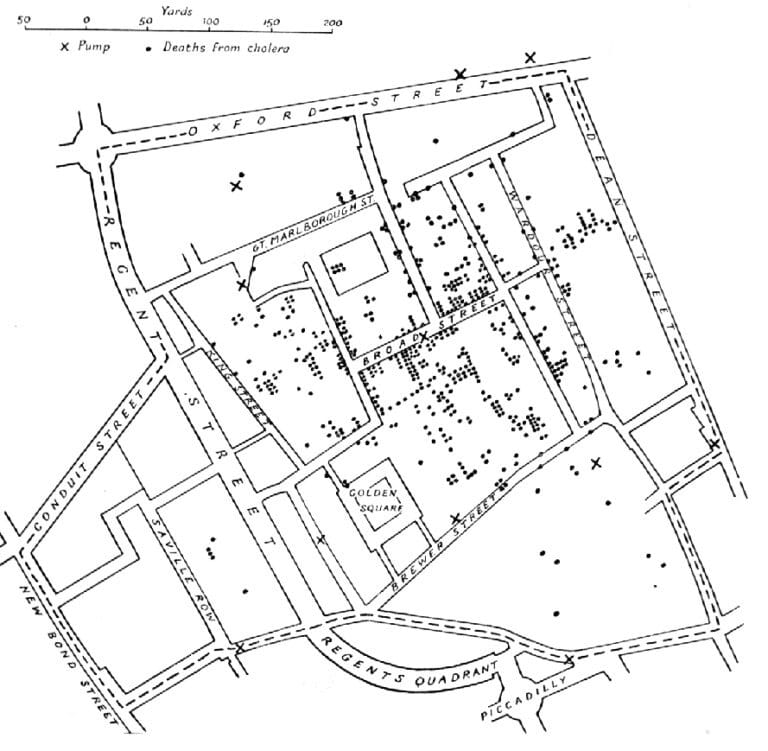
The Pump Handle Did Not End Cholera: What John Snow Actually Proved in 1854
The Broad Street pump is famous for stopping cholera. The real 1854 investigation was more complicated—and more revealing about how…
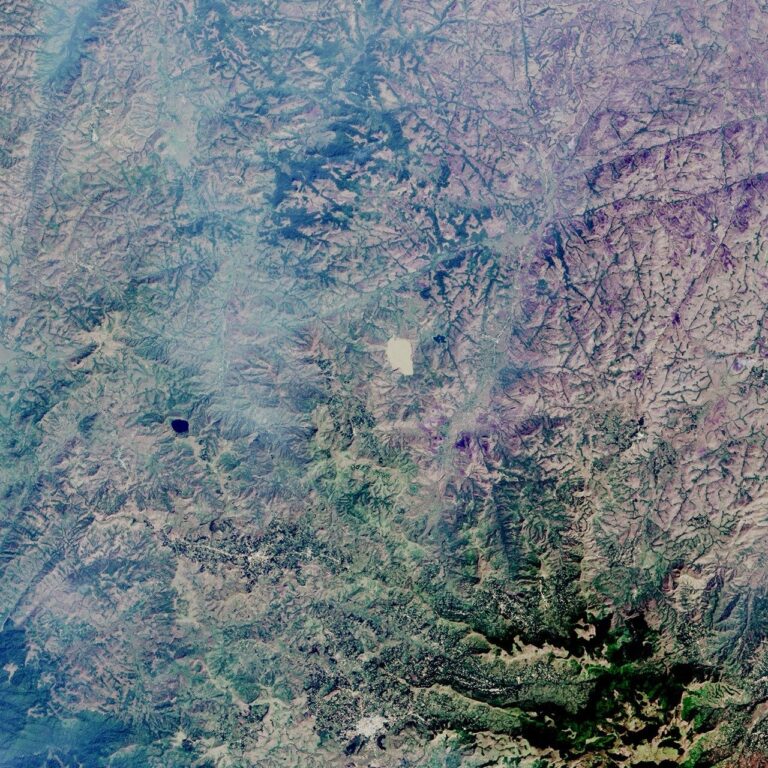
The Night a Lake Exhaled: How Invisible Gas Killed a Valley in Cameroon
How could a calm Cameroonian lake release enough invisible carbon dioxide to kill more than 1,700 people? The geochemical evidence,…
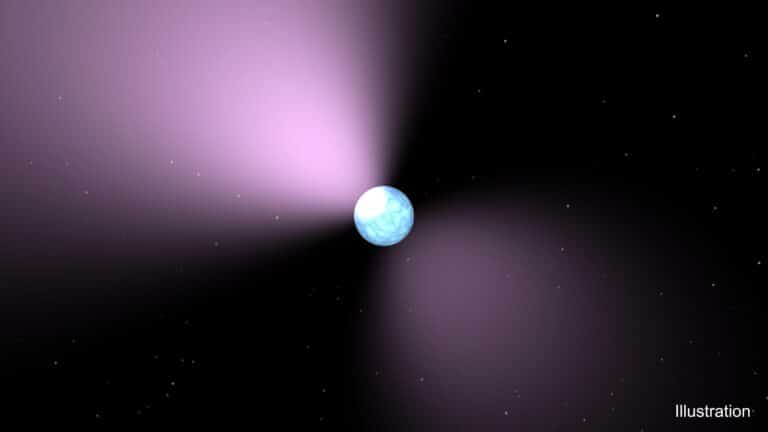
The 1.3-Second Signal: How a Student Found the Universe’s Strange New Clocks
In 1967 Jocelyn Bell Burnell detected a mysterious 1.3-second radio pulse. The discovery of pulsars transformed neutron-star physics—and the way…
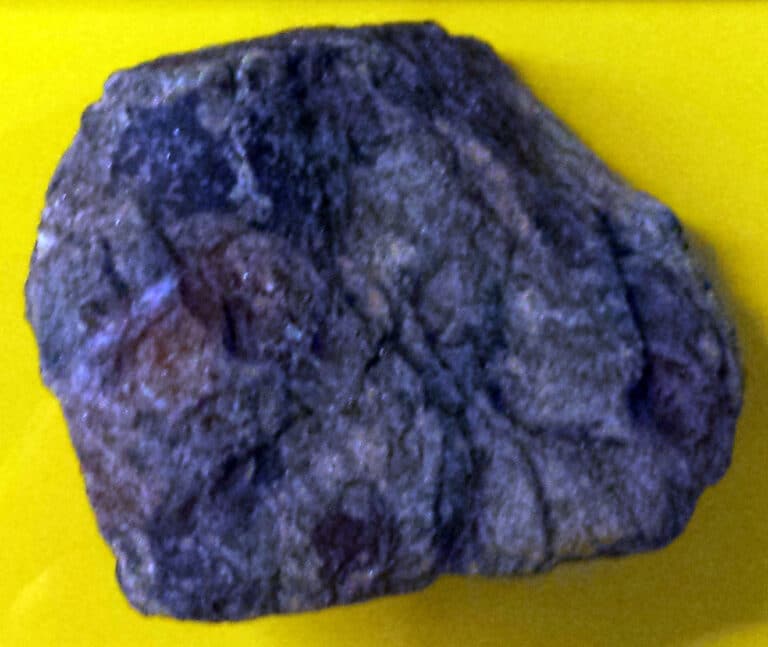
The Reactor Nobody Built: How Missing Uranium Revealed a Two-Billion-Year-Old Nuclear Experiment
In 1972, a tiny uranium-isotope discrepancy led scientists to natural nuclear reactors in Gabon. Xenon traces later revealed their astonishing…
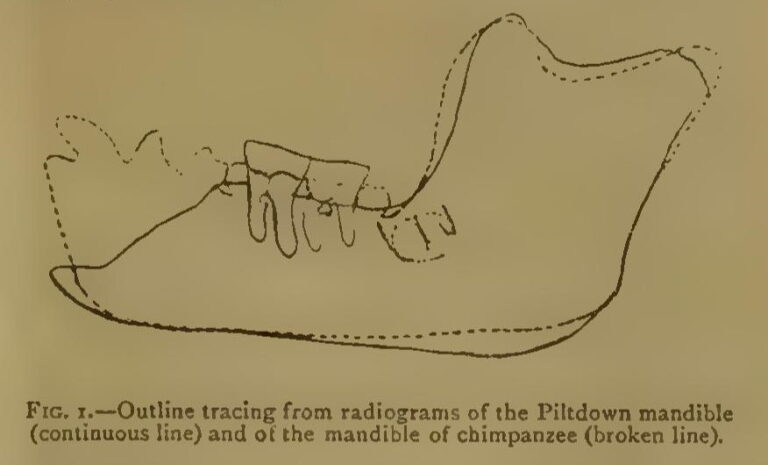
The Fossil That Fooled Science: How a Filed Tooth Exposed Piltdown Man
A supposed 500,000-year-old human ancestor captivated Britain in 1912. Filed teeth, chemical tests and DNA later revealed how the Piltdown…
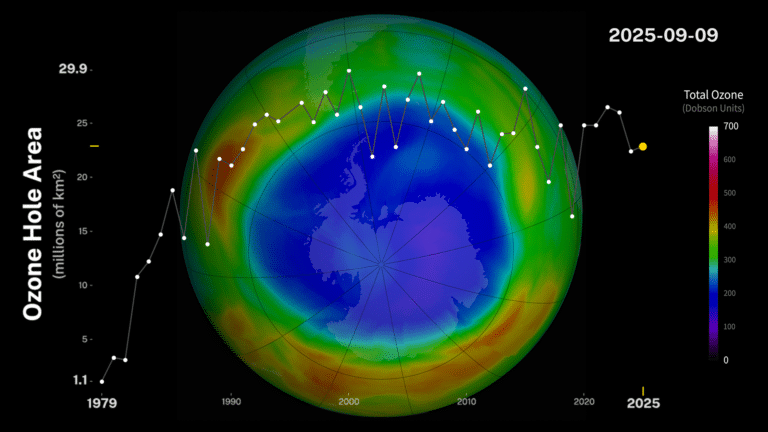
The Ozone Hole Was Not a Hole: How Antarctic Measurements Exposed a Planetary Chemical Trap
In 1985, Antarctic measurements revealed a seasonal atmospheric collapse that models had underestimated. The discovery, the chemistry, and what recovery…
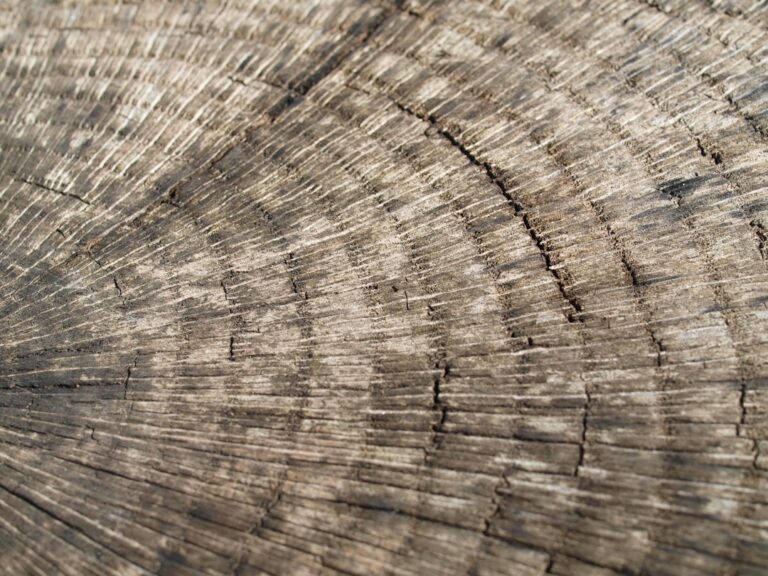
How a Cosmic Event Dated a Viking Camp to the Exact Year 1021
A strange radiocarbon signature in ancient tree rings dated Norse activity in Newfoundland to 1021. Here is how the evidence…